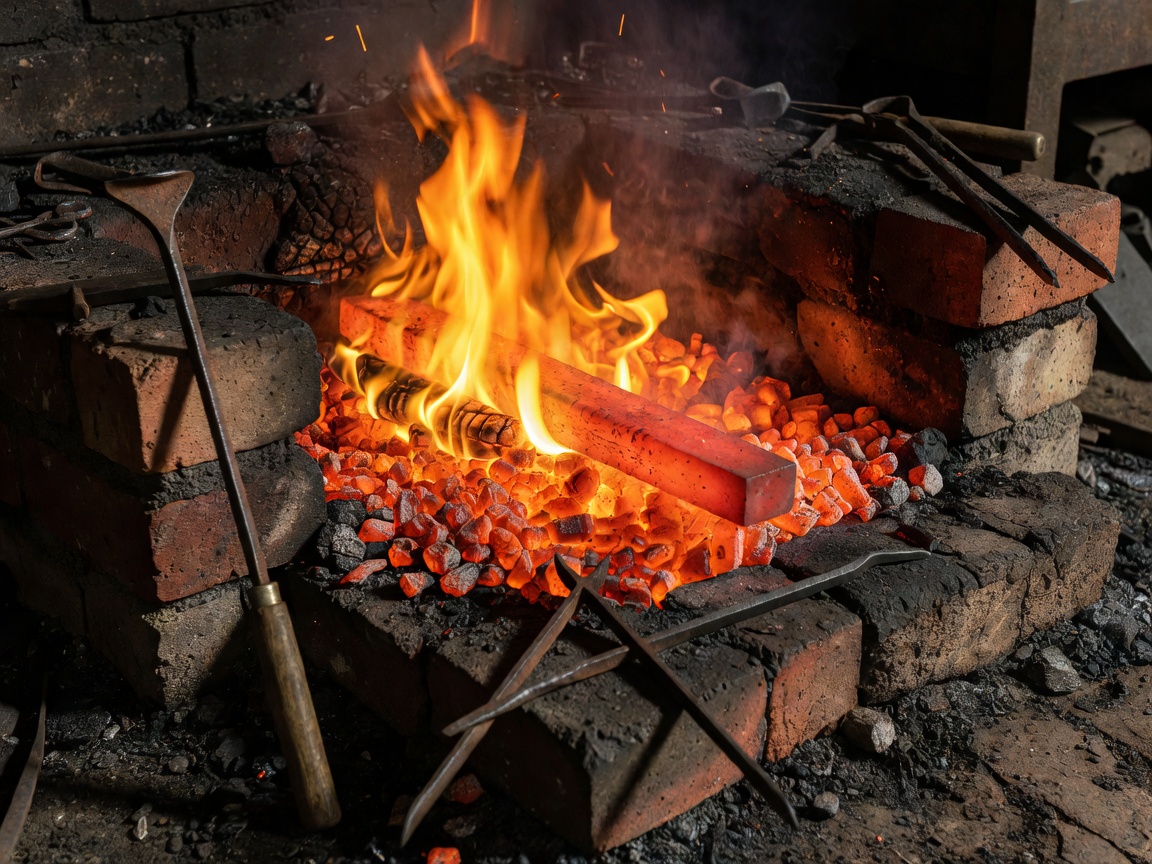
Guide 01
Forge fuels and heat sources
Compare propane, coal, coke and charcoal by temperature control, ventilation, cleanup and workshop suitability.
Choose a forge fuelThe working smith’s field notes
Clear, practical guidance for choosing forge equipment, moving hot steel efficiently and building safer workshop habits—without folklore or unnecessary expense.
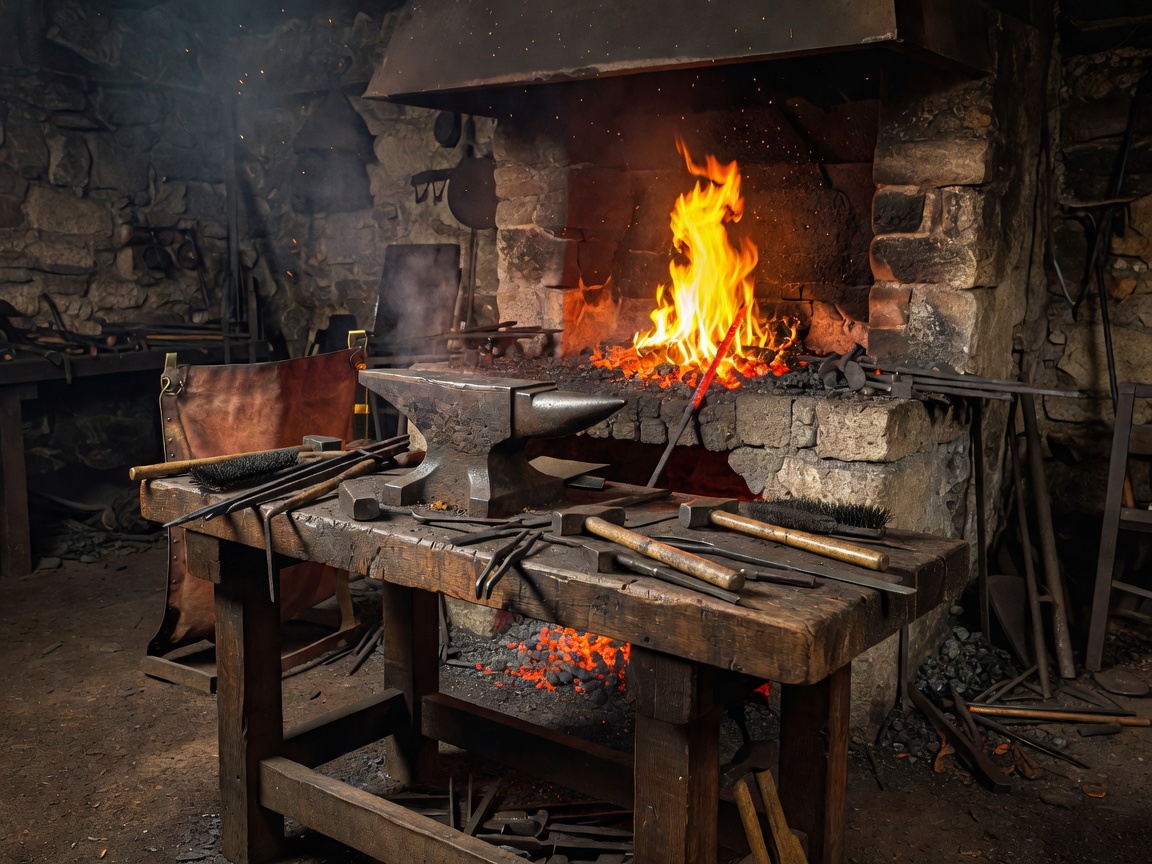
Five workshop essentials
Each guide focuses on decisions that affect control, efficiency, durability and safety.
Guide 01
Compare propane, coal, coke and charcoal by temperature control, ventilation, cleanup and workshop suitability.
Choose a forge fuel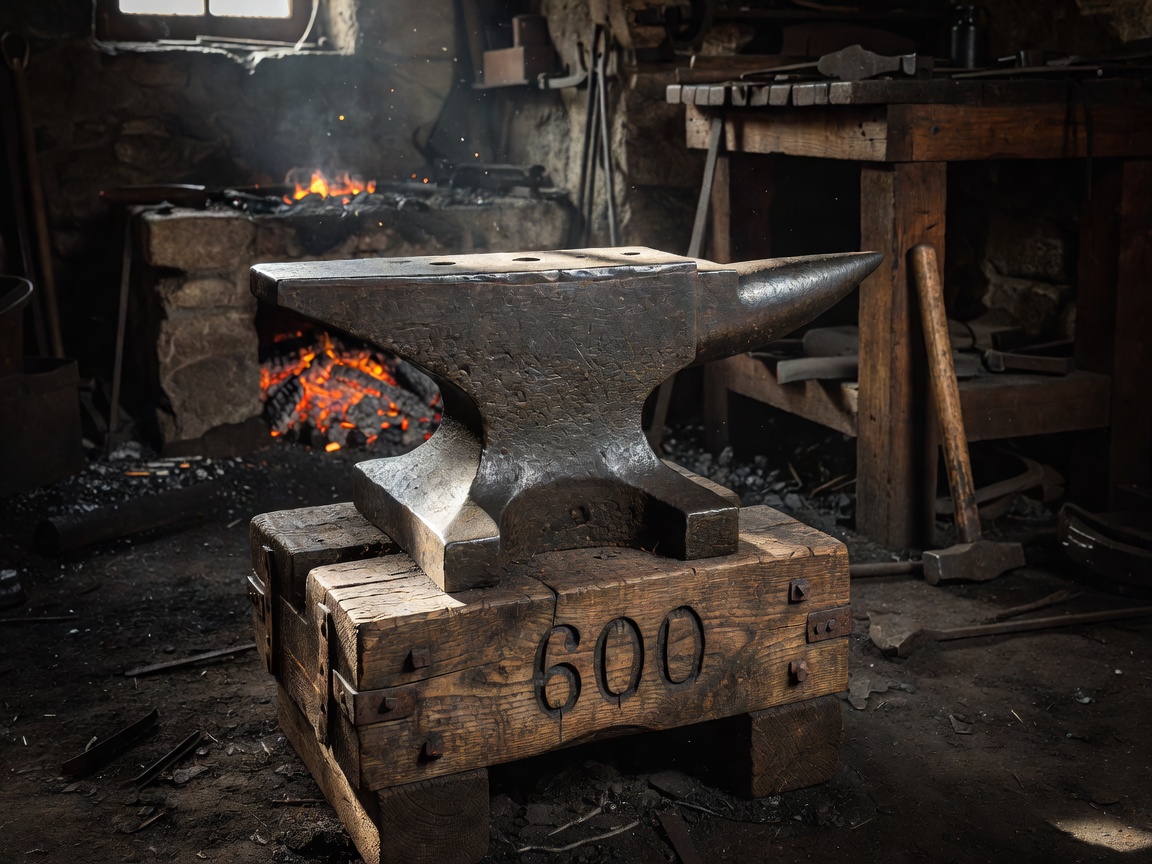
Guide 02
Understand face condition, rebound, mass, edge geometry and mounting before committing workshop space.
Evaluate an anvils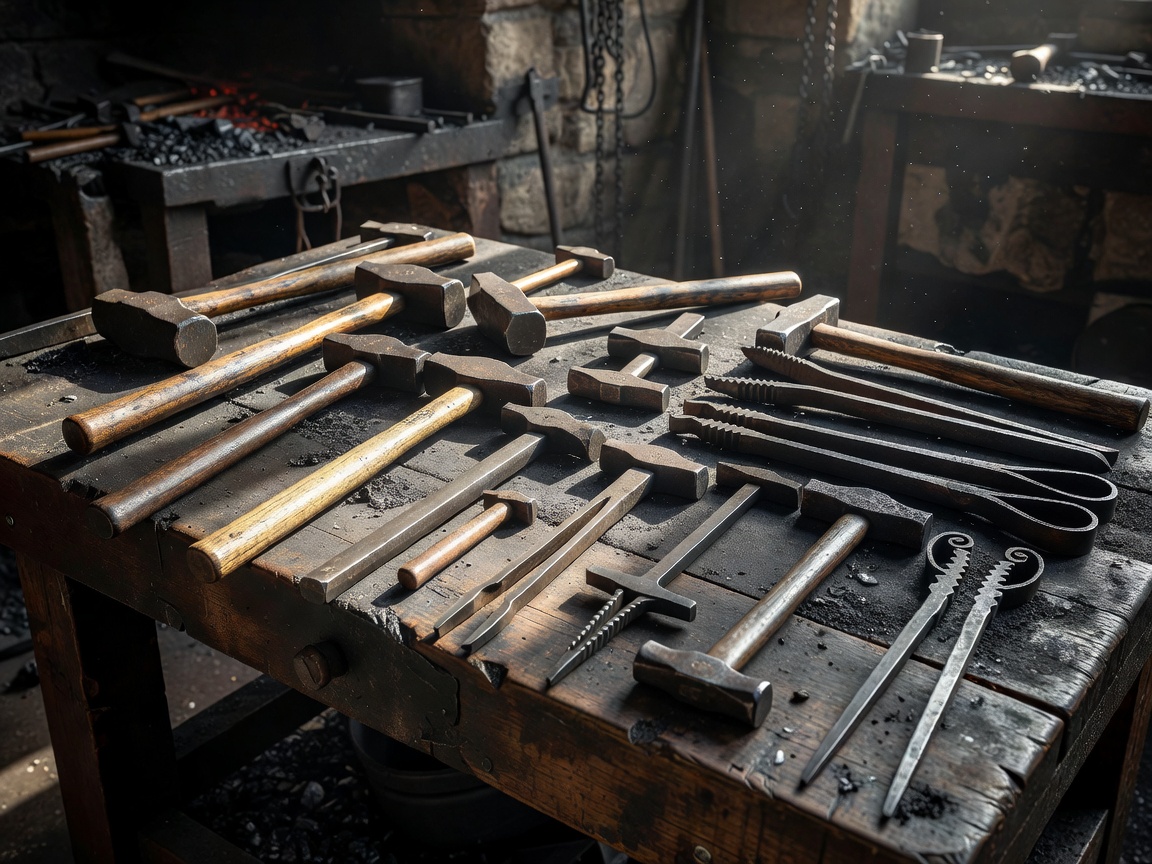
Guide 03
Build a compact hand-tool set around comfortable hammer weight, secure stock handling and maintainable faces.
Build a hand-tool set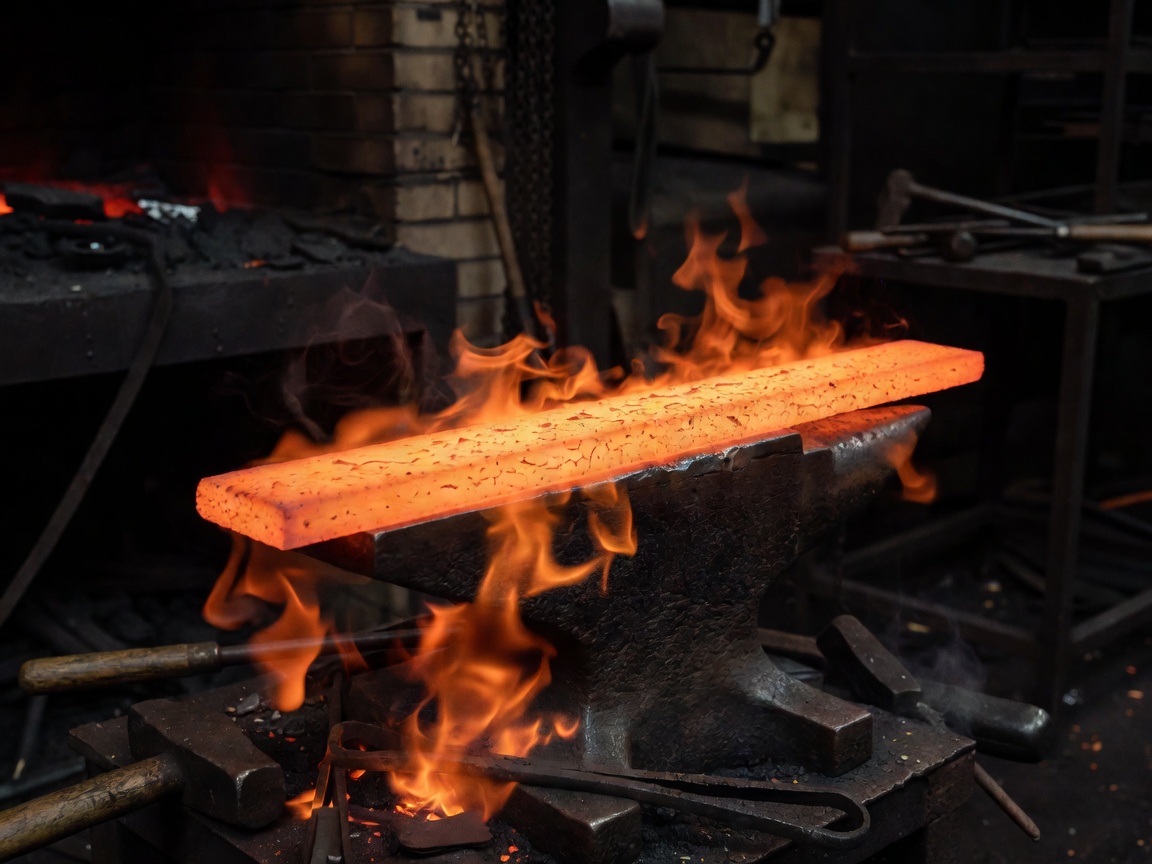
Guide 04
Learn what normalizing, hardening and tempering do, and why steel identity matters more than color alone.
Understand heat treatment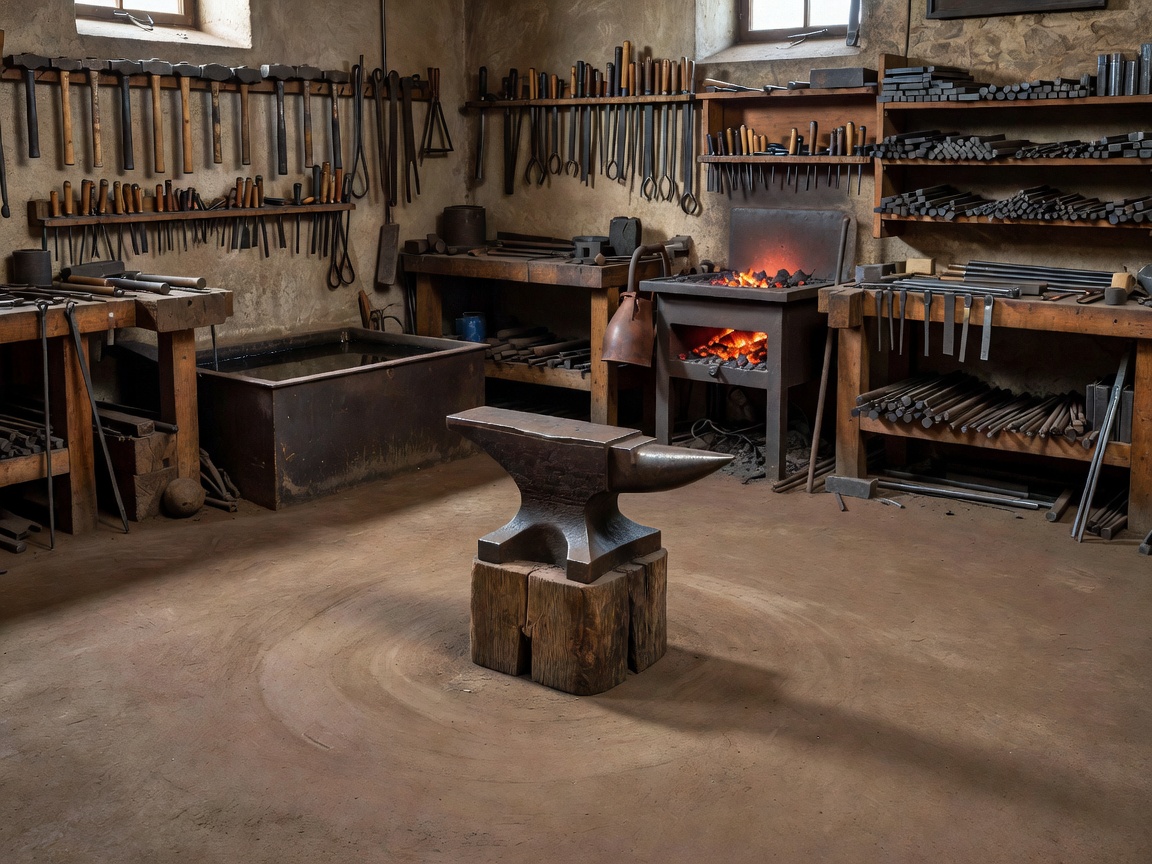
Guide 05
Control fire, fumes, noise, scale and trip hazards through layout choices and repeatable operating routines.
Plan a safer workspaceA practical learning sequence
Blacksmithing improves when each heat has one purpose. Mark stock, decide where material must move, heat evenly and use only the force required. After every heat, inspect alignment and section thickness before continuing.
That rhythm is more useful than chasing speed. Consistency reduces wasted fuel, overheated steel and corrective hammering.